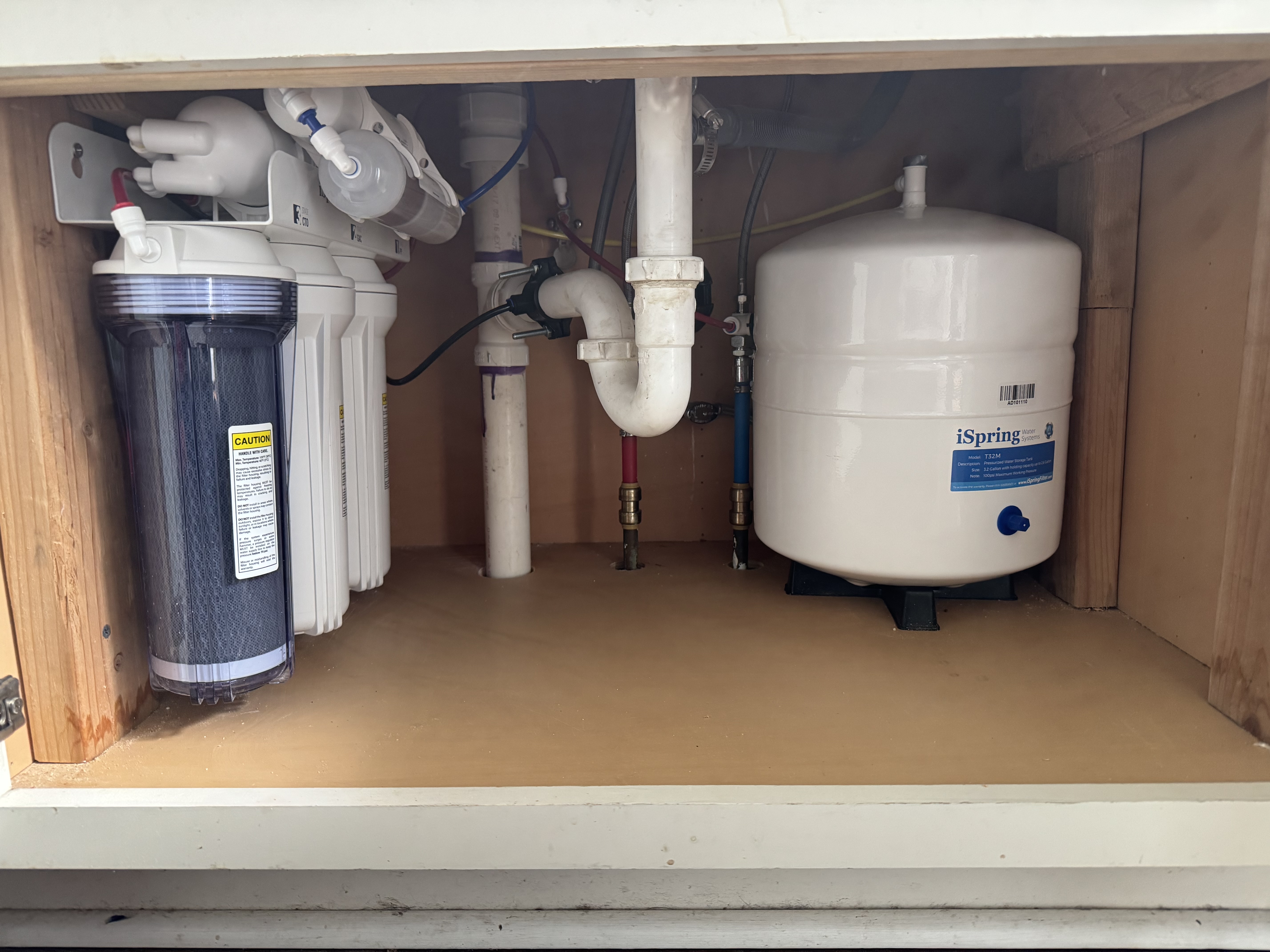
Mastering the Art of Drain Unclogging: A DIY Guide Jul 12, 2026
The first step in tackling a clogged drain is to identify the cause. Common culprits include hair buildup, food particles, grease, soap scum, and even foreign objects accidentally lodged in the drain. Understanding what might be causing the blockage can help you choose the most effective unclogging method.
One of the most straightforward tools at your disposal is the trusty plunger. Begin by ensuring you have a good seal over the drain, then apply a firm push and pull motion. The pressure can dislodge the blockage, allowing water to flow freely again. Choose a plunger with a cup design for sinks and flat surfaces; for toilets, a flange design works best.
If plunging doesn’t solve the problem, consider using a drain snake, also known as an auger. This flexible tool can reach deeper into pipes to dislodge stubborn clogs. Feed the snake into the drain, gently turning the handle when you feel resistance. As you retract the snake, it should bring the offending material back up with it. Be sure to clean the snake thoroughly afterward to ensure it's ready for future use.
For those who prefer a chemical-free approach, creating a homemade cleaning solution from pantry staples like baking soda and vinegar can be effective. Start by pouring baking soda down the drain, followed by a generous dose of vinegar. Allow the fizzy reaction to work its magic for about 15 minutes, then flush the drain with boiling water. This method is excellent for removing minor blockages and maintaining clean pipes regularly.
In cases where these techniques are unsuccessful, or if you repeatedly face clogging issues, it may be a sign of a more significant problem within your plumbing system. In such instances, seeking professional assistance from a trusted service like Jersey Drain Masters is advisable. A professional plumber can provide a thorough inspection and address issues that DIY methods may not resolve.
To prevent future clogs, consider implementing simple habits like using drain guards to catch debris before it enters the system, regularly cleaning your drains with hot water and dish soap, and being cautious about what you let go down the sink. Always remember that an ounce of prevention is worth a pound of cure.
In conclusion, while mastering the art of drain unclogging can save you in a pinch, it's essential to know your limits. DIY methods are excellent for minor issues, but persistent problems or complex plumbing systems should always be handled by professionals. By following this guide, you'll be well-equipped to maintain clear drains, foster a healthier home environment, and recognize when it's time to call the experts at Jersey Drain Masters.
/filters:no_upscale()/filters:format(webp)/media/9e72a8a7-b492-405a-b218-ff17926fece5.jpeg)